
What is a Sales Pipeline?
Complete Guide to Building, Managing and Optimizing Your Sales Pipeline
A sales pipeline is the structured process that guides opportunities from the first contact to a closed deal. Companies that actively manage their sales pipeline gain better visibility into revenue, identify bottlenecks earlier, improve forecasting accuracy, and close more deals consistently.
Whether you are managing a small sales team or a complex B2B sales operation, your pipeline is the operational framework that turns leads into customers.
In this guide, you’ll learn how sales pipelines work, how to design the right stages, which metrics matter most, and how CRM software helps teams improve sales performance.
How a Sales Pipeline Works
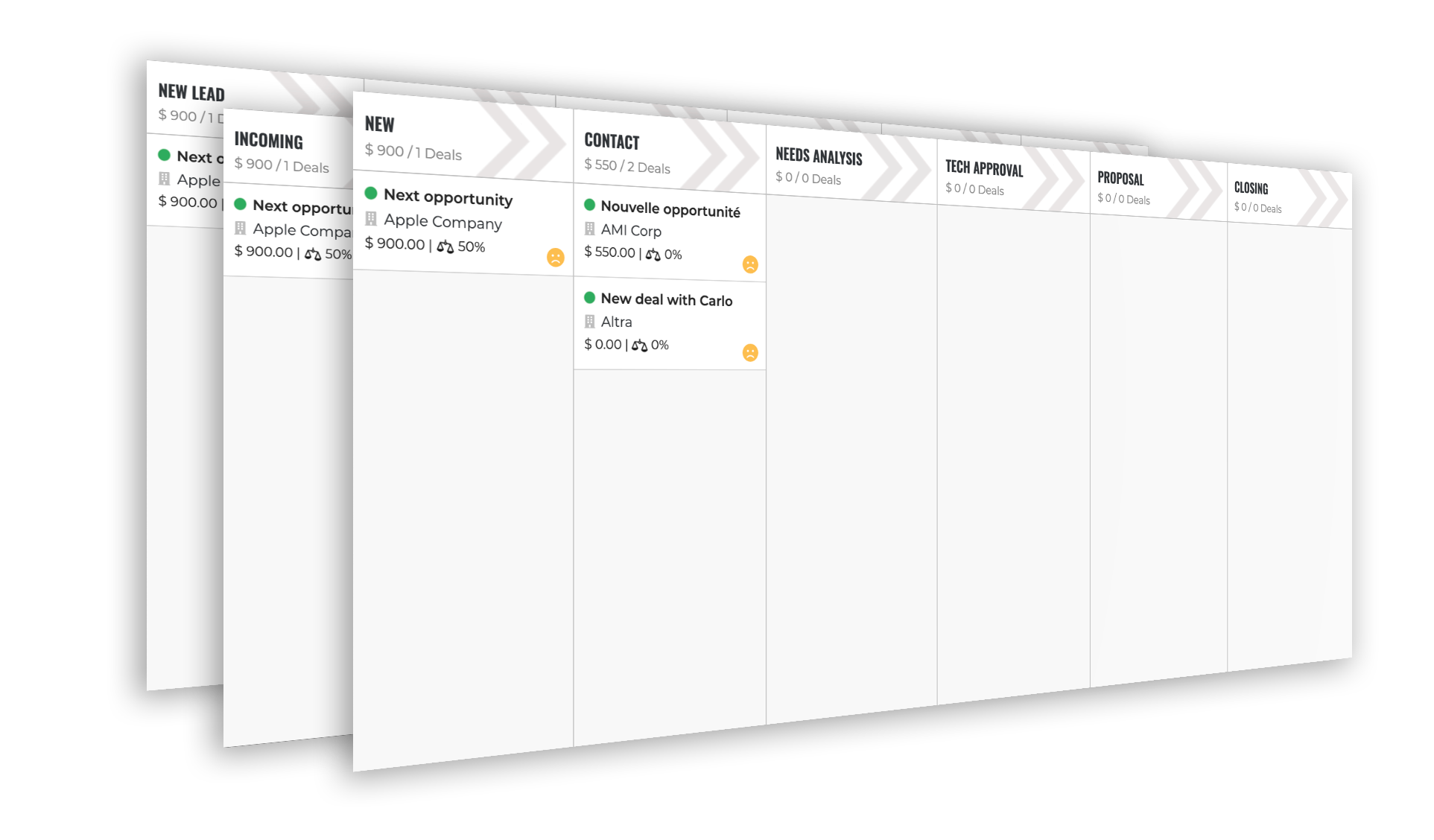
A sales pipeline is a visual representation of every opportunity currently moving through your sales process.
Each deal progresses through predefined stages – from lead qualification to proposal, negotiation, and closing – allowing sales managers and representatives to understand exactly where opportunities stand and what actions are required next.
Unlike a simple contact list or spreadsheet, a sales pipeline provides real-time visibility into revenue opportunities, sales activity, and sales forecast.
The primary goal of pipeline management is to move opportunities efficiently from one stage to the next while identifying obstacles before they affect revenue.
Sales Pipeline vs Sales Funnel
Pipeline and Funnel are two terms that are often mixed up.
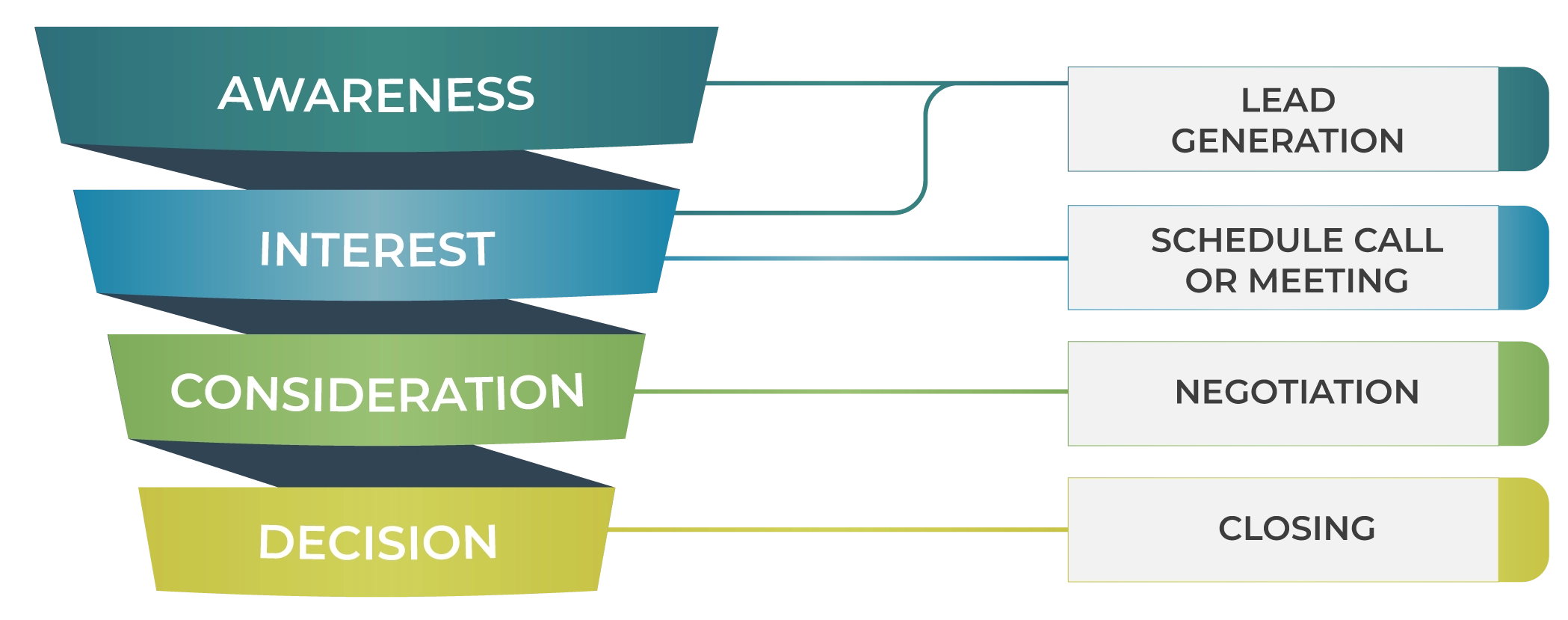
A Sales Pipeline is like a map of the “sales process”, showing all the deals from when you first talk to a possible customer until you close the sale. It marks out each step, from finding a lead to talking about the deal and finally sealing the deal.
Now, a Sales Funnel is about the people who might become customers. It’s a picture that shows how possible customers change. The sales pipeline fits within the sales funnel. It typically begins in the middle of the funnel, where we identify qualified leads, and continues to the bottom of the funnel, where we close sales.
Read more: Sales Pipeline vs Sales Funnel
The Marketing Funnel encompasses the entire customer journey, from initial awareness to post-purchase engagement. It includes stages such as awareness, interest, desire, action, and advocacy. The marketing funnel is broader and includes marketing activities beyond just sales.
Build a Sales Pipeline That Works
A sales pipeline is only effective when it reflects how your customers actually buy. Before creating stages, assigning probabilities, or measuring performance, you need a clear understanding of your sales process.
The goal is not to build the most detailed pipeline possible. The goal is to create a system that helps sales teams track opportunities, identify bottlenecks, and forecast revenue accurately.
Define Your Sales Process
Every sales pipeline should be built around a documented sales process. Start by mapping the journey from the first interaction with a prospect to the final agreement. Each stage should represent a meaningful step in the buying process, not an internal administrative task.
For a deeper look at how sales processes are structured, see our guide to sales process strategies.
Create Clear Pipeline Stages
Pipeline stages should be easy to understand and consistently used by every sales representative. A deal should only move forward when a specific condition has been met.
For example, a prospect should not move from qualification to proposal until budget, need, and decision-making authority have been confirmed.
Avoid Complexity
One of the most common mistakes in pipeline management is creating too many stages. Most B2B sales teams operate effectively with five to seven stages. Adding unnecessary phases often creates confusion, reduces CRM adoption, and makes reporting less reliable.
Learn more about choosing the right number of sales pipeline stages for your business.
Review and Improve Regularly
A sales pipeline is not a static process. As your market, products, and customers evolve, your pipeline should evolve too.
Regular pipeline reviews help identify stalled opportunities, improve forecasting accuracy, and reveal areas where automation or process improvements may increase performance.
Benefits of a Sales Pipeline
A sales pipeline is more than a visual representation of opportunities. It provides the operational framework that helps teams manage deals, forecast revenue, and improve sales performance.
1. Revenue Visibility
A pipeline gives sales managers a clear overview of every active opportunity. Instead of relying on assumptions, teams can see how much potential revenue is in progress and which deals are most likely to close.
2. Improved Forecasting
When opportunities are assigned a value, stage, probability, and expected close date, forecasting becomes significantly more accurate.
Explore our guide to sales forecasting
3. Sales Performance
Pipeline management helps managers understand how sales representatives are performing and where coaching is needed. By monitoring activity levels, conversion rates, and deal progression, teams can identify best practices.
4. Bottlenecks discovery
If deals consistently get stuck in the same stage, managers can investigate the root cause and implement improvements.
Learn how to identify and overcome common sales pipeline bottlenecks.
Common Sales Pipeline Bottlenecks
Even healthy pipelines develop bottlenecks.
The key is identifying them early before they reduce conversion rates and impact revenue.
1. Unqualified Leads
When low-quality opportunities enter the pipeline, sales teams spend time pursuing prospects that are unlikely to buy.
Implementing a structured lead qualification process helps ensure only qualified opportunities move forward.
2. Opportunities Stuck
A large number of proposals with little movement often indicates pricing concerns, competitive pressure, or unclear value propositions.
Monitoring stage conversion rates can help identify where deals are slowing down.
3. Slow Follow-Up
Delayed responses reduce engagement and lower the probability of closing deals.
Automated reminders and CRM workflows can help sales teams maintain consistent communication.
4. No Clear Next Step
Every opportunity should have a defined next action. Deals without scheduled activities frequently become stale and eventually disappear from the pipeline.
Regular pipeline reviews help ensure every opportunity has momentum and a clear path forward.
Visual Pipeline Management
One of the biggest advantages of using a sales pipeline is visibility.
Without a structured pipeline, opportunities are often tracked across spreadsheets, notes, emails, and individual sales representatives. This makes it difficult to understand which deals are progressing, which are at risk, and where sales teams should focus their efforts.
A visual pipeline gives managers and sales representatives an immediate overview of every active opportunity. Teams can quickly see how many deals are in progress, where opportunities are getting stuck, which activities are overdue, and how close they are to achieving their sales targets.
Modern CRM systems make pipeline management even more effective by providing real-time updates, activity tracking, reporting, and forecasting tools. Instead of reacting to problems after they occur, sales teams can identify bottlenecks early and take action before revenue is affected.
Many organizations use dedicated deal management tools to track opportunities, organize activities, and maintain visibility throughout the sales cycle.
Teams that prefer a visual workflow often adopt a Kanban board for sales pipeline management, making it easier to move opportunities between stages and identify stalled deals.
For larger sales teams, combining a visual pipeline with CRM workflow automation helps reduce manual work and ensures opportunities receive consistent follow-up.

Sales Pipeline Stages
If you already have a set way of selling things, you know the steps in your pipeline. If not, this will help you make your process.
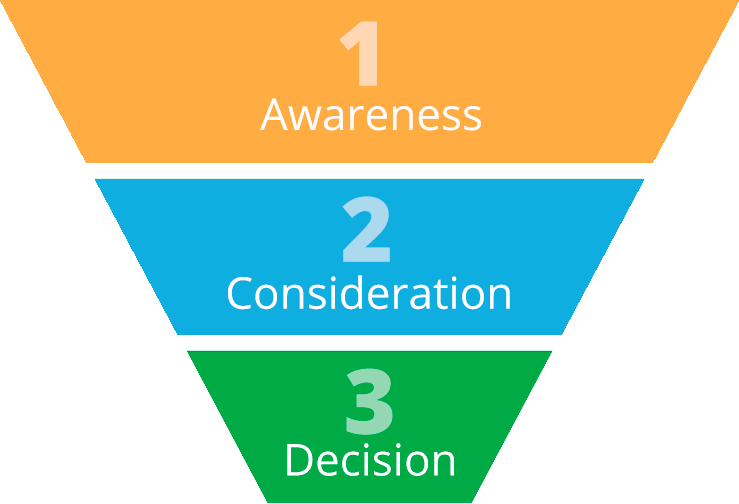
Of course, every company has its own method for selling and talking to customers. We can split them into at least three stages. Connect the steps in your sales pipeline with these parts.
1. Awareness
At this point, people who might want your stuff turn into Leads. Your sales person needs to ask the right questions to see if the lead is a good one.
They might ask about how much money the lead has, when they want things, and why they need your stuff. These questions help your reps know if the lead wants your product and if they’re a good fit for your company. If the lead passes this test, they move to the next step.
2. Consideration
Your leads are now checked and you’ve talked to them to see if your product can help them.
You also looked at their answers to decide if your product is right for them and if they want to know more. This helps you understand their needs better and see if your product can help them.
3. Decision
This is when the leads interested in your product get a Proposal. Then, they talk about a deal and try to agree on things.
Number of Stages: The number and type of your phases depend on both how you obtain leads and your typical sales. Learn how to find the ideal number of sales pipeline stages
Sales Pipeline Insights
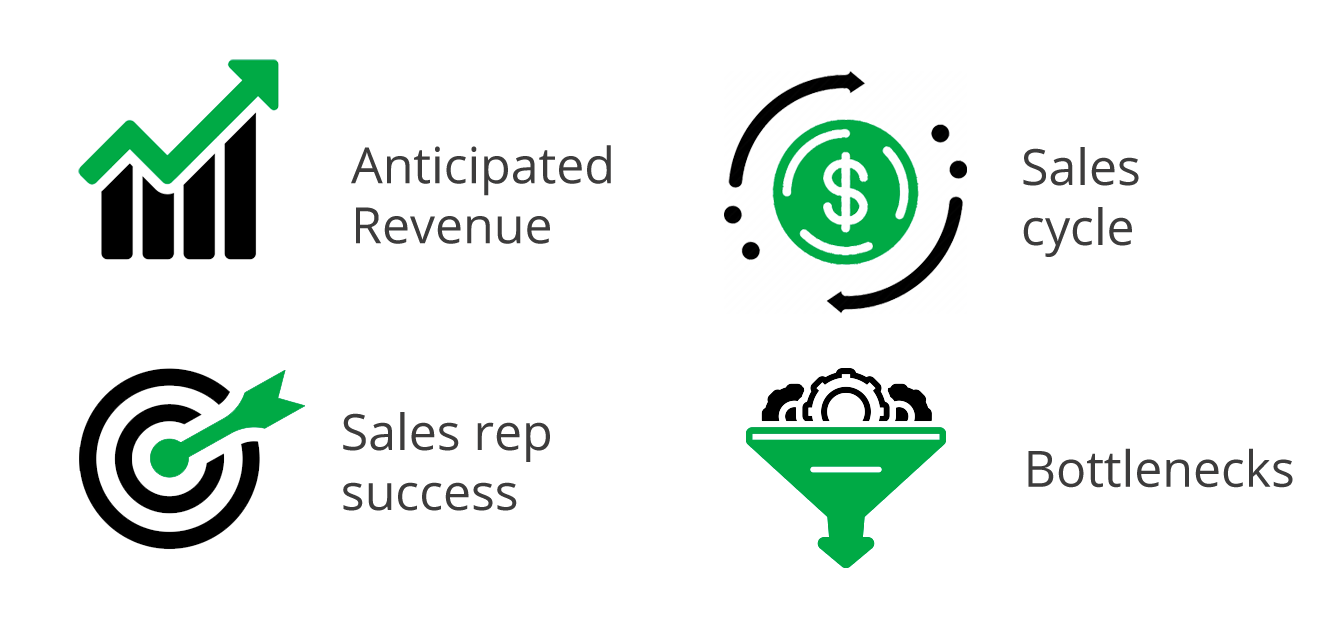
Pipelines help you find important insights like:
Anticipated revenue: Only a percentage of your leads will convert into deals won. Knowing your sales win rate, you can forecast to help plan budgets and adjust goals.
Sales Cycle: For some businesses, negotiations can last months. Use your pipeline to understand how long it typically takes your sales team to close a deal by examining deal aging.
Bottlenecks: You might find that a stage regularly delays the purchase process. Find Sales Pipeline Bottlenecks
Sales rep success: A pipeline also provides insight into which salespeople close the most deals and helps managers improve sales team performance.
Build a Sales Pipeline in 5 Steps
A successful sales pipeline should reflect how customers actually buy, not simply how sales teams prefer to organize their work. The best pipelines are simple, measurable, and easy for the entire team to follow.
1. Identify Your Ideal Buyers
Before creating pipeline stages, define who should enter the pipeline in the first place. Clear buyer profiles and qualification criteria help prevent low-quality opportunities from consuming valuable sales resources.
A structured lead qualification process ensures that sales teams focus their efforts on opportunities that have the highest likelihood of becoming customers.
2. Define Your Pipeline Stages
Each stage should represent a meaningful step in the buying process. Most B2B organizations operate effectively with five to seven stages, from qualification to closed won.
The right number of sales pipeline stages depends on your sales cycle, deal complexity, and buying process.
3. Assign Activities to Each Stage
Every stage should have specific activities associated with it. Discovery calls, product demonstrations, proposals, follow-ups, and negotiations all help move opportunities forward and create a consistent sales process.
Clearly documented sales process strategies help teams standardize activities and improve conversion rates.
4. Define Exit Criteria
Opportunities should only move to the next stage when a specific condition has been met. This improves reporting accuracy, forecasting reliability, and team alignment.
Qualification frameworks such as BANT, MEDDIC, and SPIN Selling help sales teams establish clear progression criteria.
5. Measure and Optimize
Once your pipeline is active, regularly review conversion rates, sales cycle length, bottlenecks, and forecasting accuracy.
Analyzing sales pipeline bottlenecks and using proven sales forecasting methods helps organizations continuously improve performance and revenue predictability.


Metrics that you should consider
1. Number of open Deals
The number of open deals represents all active opportunities currently moving through your sales pipeline. This metric gives sales managers an immediate view of pipeline health and helps determine whether there are enough qualified opportunities to achieve future revenue targets.
A healthy pipeline should maintain a consistent flow of opportunities across every stage. Too few open deals may indicate weaknesses in lead generation or qualification, while too many can overwhelm sales representatives and slow down follow-up activities.
The number of open deals should also be analyzed alongside sales team workload. If opportunities accumulate faster than your team can manage them, deal quality and conversion rates often decline. On the other hand, a pipeline with too few opportunities can lead to missed revenue goals and unpredictable forecasting.
Ultimately, tracking open deals helps answer a critical question: does your team have enough qualified opportunities to consistently hit its sales targets?
Related resources
2. Deal Value
Deal value measures the potential revenue associated with each opportunity in your sales pipeline. Tracking the average deal value helps sales leaders estimate future revenue, assess pipeline quality, and determine whether there is enough business in progress to meet sales targets.
While the number of open deals shows pipeline volume, deal value reveals the potential impact of those opportunities. A pipeline with fewer high-value deals may be healthier than one filled with dozens of low-value opportunities.
Monitoring average deal value over time can also uncover changes in customer behavior, pricing effectiveness, and sales strategy performance.
Formula
Total Value of Open Deals ÷ Number of Open Deals
Why it matters
- Improves revenue forecasting
- Helps evaluate pipeline quality
- Supports sales target planning
- Identifies opportunities to increase deal size
3. Conversion Rates
Conversion rate measures the percentage of opportunities that successfully move from one stage of the pipeline to the next or ultimately become customers.
This metric provides one of the clearest indicators of sales effectiveness. Strong conversion rates typically reflect good lead qualification, a well-defined sales process, and effective sales execution. Low conversion rates often reveal bottlenecks, poor-fit leads, or weaknesses in the sales approach.
Rather than focusing only on the overall win rate, high-performing sales teams track conversion rates at every pipeline stage to identify where opportunities are being lost.
Formula
Won Deals ÷ Total Opportunities × 100
Why it matters
- Measures sales performance
- Improves forecasting accuracy
- Highlights pipeline bottlenecks
- Reveals opportunities for coaching and process improvement
Related resources
4. Sales Cycle Length
Sales cycle length measures the average amount of time it takes for an opportunity to move from initial contact to a closed deal.
Understanding the length of your sales process is essential for accurate forecasting and capacity planning. Longer sales cycles often require more nurturing, follow-up activities, and stakeholder involvement, while shorter cycles typically indicate a streamlined buying process.
By monitoring sales cycle length, organizations can identify delays, improve process efficiency, and accelerate revenue generation.
Different industries and deal types will naturally have different sales cycle lengths. However, reducing unnecessary delays can significantly improve sales velocity and overall pipeline performance.
Formula
Total Days to Close Won Deals ÷ Number of Won Deals
Why it matters
- Measures pipeline efficiency
- Improves forecast reliability
- Helps identify process delays
- Supports revenue planning
Resources
Spreadsheet vs CRM
Spreadsheets require manual updates, offer limited visibility, and make forecasting increasingly unreliable. Collaboration also becomes more challenging as multiple team members attempt to track deals, activities, and customer interactions across different files.
Unlike spreadsheets, CRM software connects contacts, activities, emails, tasks, quotes, and opportunities in one place. This gives sales managers better visibility into pipeline performance and helps teams make more accurate forecasts.
If you’re still evaluating the best approach, our guide to CRM vs spreadsheets for sales management explains the main differences in terms of collaboration, reporting, automation, and scalability.
Organizations looking to improve forecasting and pipeline visibility should also understand what a CRM is and how it supports every stage of the sales process, from lead qualification to customer retention.
As pipelines become larger and more complex, CRM software helps organizations maintain data quality, improve collaboration, and create a more predictable sales process.
Related Resources
Continue exploring sales pipeline management with these practical guides:
Sales Pipeline Planning:
Pipeline Optimization:
- Sales Pipeline Bottlenecks
- Kanban Board for Sales Pipeline Management
- Automate repetitive sales workflows
Lead Management:
CRM and Pipeline Management:
Frequently Asked Questions About Sales Pipelines
What is a sales pipeline?
A sales pipeline is a visual representation of the opportunities your sales team is actively pursuing. It organizes deals into stages that reflect the sales process, helping teams track progress, prioritize activities, identify bottlenecks, and forecast future revenue. A well-managed sales pipeline provides visibility into both individual opportunities and overall sales performance.
What is the difference between a sales pipeline and a sales funnel?
A sales pipeline represents the sales process from the seller’s perspective, showing how opportunities move through different stages until they become customers. A sales funnel represents the buyer’s journey and focuses on conversion rates between stages. While both concepts describe the path from prospect to customer, pipelines help sales teams manage opportunities, while funnels help businesses understand buyer behavior.
How many stages should a sales pipeline have?
Most B2B organizations use between five and seven sales pipeline stages. The right number depends on the complexity of the sales process, the length of the sales cycle, and how customers make purchasing decisions. Each stage should represent a meaningful step in the buying process and have clearly defined entry and exit criteria.
What are the most important sales pipeline metrics?
Key sales pipeline metrics include the number of open deals, average deal value, conversion rates, sales cycle length, pipeline coverage, sales velocity, and forecast accuracy. Together, these metrics help organizations evaluate pipeline health, identify improvement opportunities, and predict future revenue more accurately.
How do you calculate pipeline coverage?
Pipeline coverage measures whether the value of opportunities in your pipeline is sufficient to achieve future sales targets. It is typically calculated by dividing total qualified pipeline value by the revenue goal for a given period. Monitoring pipeline coverage helps sales leaders identify potential shortfalls and take corrective action before targets are missed.
What is a healthy sales pipeline?
A healthy sales pipeline contains a balanced distribution of opportunities across multiple stages, realistic deal values, predictable conversion rates, and enough qualified opportunities to support future revenue goals. Healthy pipelines also show consistent activity and limited numbers of stalled or inactive deals.
Can CRM software help manage a sales pipeline?
Yes. CRM software provides the tools needed to track opportunities, manage activities, organize customer information, and forecast revenue. Modern CRM systems offer visual pipeline management, reporting, automation, and collaboration features that make it easier to manage complex sales processes and improve sales performance.
Free for 30 days!
No contract and no credit card required. Fully operational account. You can try and confirm the same settings by placing an order, or simply let the trial period expire.
Start today